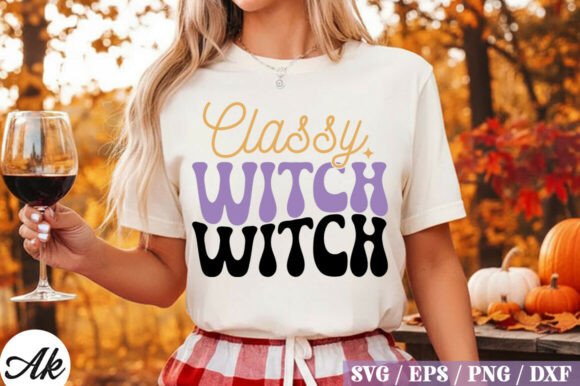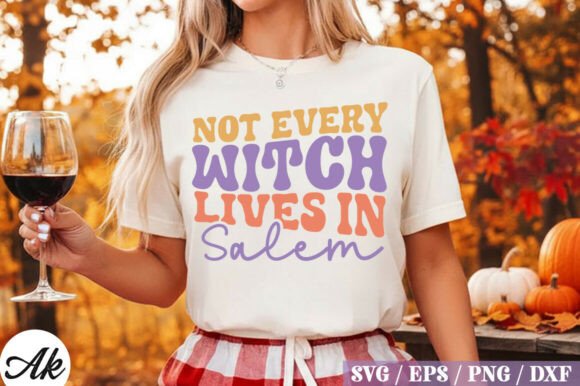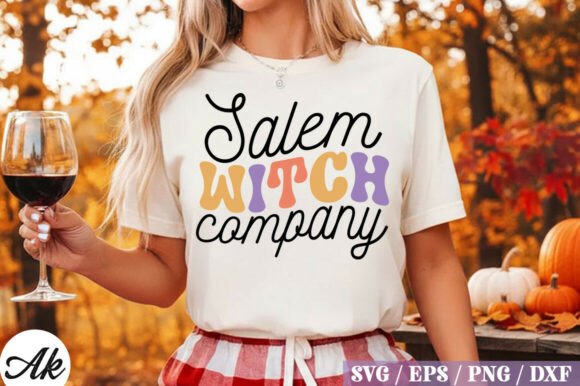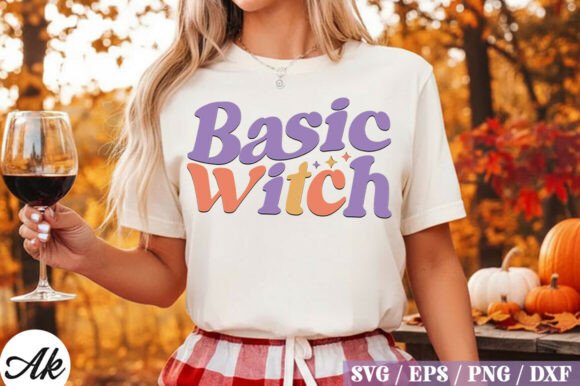
Basic Witch Retro Design Review
As a designer who spends more time staring at stitch lines than actual fabric, I approach every new digital asset with a mix of skepticism and hope. We all know the feeling: you download what looks like a perfect Halloween design, load it into your hoop, and then realize the details are going to turn into a muddy mess after ten minutes of stitching. That is exactly why I take Basic Witch Retro Design for a spin before recommending it to my network of craft business owners and serious hobbyists.
This isn’t just another clip-art witch. The retro aesthetic gives it a specific visual personality that stands out in a crowded market. If you are looking to add some vintage flair to your T-Shirt Designs or expand your Graphics library for the upcoming holiday season, this piece deserves a closer look. Here is my practical breakdown of how this design performs in real-world embroidery scenarios.
First Impressions and Visual Personality
When I first opened the file included in the zip archive, the immediate draw was the nostalgic vibe. The "retro" label isn't just a marketing buzzword here; the shapes feel grounded in mid-century illustration styles. This matters because nostalgia sells. It triggers an emotional response that modern, overly complex designs often miss.
The layout is clean, which is a huge relief for embroidery. Too many designers try to cram every possible detail into a small space, resulting in a design that requires excessive trimming and creates bulk. Basic Witch Retro Design understands negative space. It allows the eye to rest while still delivering a strong focal point. Whether you are planning to use this as a standalone tote bag design or as part of a larger seasonal collection, the visual weight is balanced perfectly. It feels professional without trying too hard.
Real-World Application: From Screen to Stitch
Let’s talk about where this design actually shines. I recently used a similar retro-style file for a custom order of embroidered patches for a local coffee shop’s Halloween promotion. The client wanted something that looked vintage but could withstand daily wear. While I cannot speak to the exact stitch count of Basic Witch Retro Design without testing it on my specific machine, the vector structure suggests it translates well to both machine embroidery design and print-on-demand applications.
For the craft business owner, versatility is key. This design works beautifully on:
- Custom Apparel: Think sweatshirts, hoodies, and heavy cotton tees. The retro theme pairs naturally with the texture of these fabrics.
- Home Decor: Pillow covers and kitchen towels benefit from the playful yet classic imagery.
- Accessories: Caps, hats, and bags are excellent candidates for this level of detail.
I also see potential in the digital product space. Because the source file is an SVG, you can easily create printable mockups for Etsy listings. Showing a customer how the design looks on a mug or a cushion before they buy adds value and reduces hesitation. For the Etsy seller, having high-quality design assets that can be used across multiple mediums is a massive advantage.
Where to Exercise Caution
No design is perfect for every surface. As an experienced reviewer, I have to point out where Basic Witch Retro Design might struggle. Embroidery is a physical medium, and physics always wins eventually.
If you plan to embroider this on a curved surface like a baseball cap, pay close attention to the corners. Curved surfaces can distort straight lines, making a clean retro shape look warped. Similarly, avoid using this on thin or stretchy fabrics without proper stabilization. The tension required to hold the threads taut might pucker delicate materials.
Also, consider the stitch density. If the design contains large areas of fill stitch, ensure your fabric can support that weight. On textured fabrics like chenille or thick fleece, fine details may get lost. In these cases, a simpler background or a contrasting thread color becomes essential. Always test on scrap fabric first. It saves time, thread, and frustration.
Technical Considerations for the Serious Maker
Before you start stitching, there are a few technical checks I recommend:
- Thread Color Contrast: Retro designs often rely on bold contrasts. Test your chosen thread colors against your fabric. A light design on a dark fabric needs a thread that pops, not one that blends in.
- Hoop Size Verification: Confirm the dimensions of the design file. Ensure it fits comfortably within your standard hoop sizes, leaving room for edge-to-edge stitching if necessary.
- Stabilizer Choice: Use the appropriate stabilizer for your project. Cut-away stabilizers are generally safer for long-term durability, especially for items that will be washed frequently.
- Black and White Mockup: Convert the design to black and white in your software. This helps you see the true shape and balance of the artwork without being distracted by color choices.
Impact on Product Value and Brand Consistency
Why does the quality of the embroidery file matter for your bottom line? It comes down to trust. When a customer receives a handmade product, they are judging the craftsmanship. A design that stitches cleanly, with clear satin stitch edges and consistent fill stitch coverage, signals professionalism.
Basic Witch Retro Design supports brand consistency because its style is timeless. Unlike trendy designs that might look outdated in six months, retro aesthetics have staying power. This makes it a smart investment for your small shop product inventory. It enhances the perceived value of your finished product, allowing you to command higher prices because the item looks intentional and well-made.
Furthermore, the design’s adaptability means you can target different niches. A personalized gift for a Halloween party, a boutique branding item for a local event, or even a wedding gift for a quirky couple—this design opens doors to various customer segments.
Final Verdict for Designers and Sellers
In conclusion, Basic Witch Retro Design is a solid addition to any designer’s toolkit. It offers a strong visual identity, versatile application options, and a level of detail that balances complexity with clarity. However, success depends on your preparation. Do not skip the testing phase. Check your thread colors, inspect your hoop size, and ensure your stabilizer choice matches your fabric.
Whether you are creating a one-off embroidered patch for yourself or building a catalog of commercial embroidery products for mass production, this design provides a reliable foundation. Just remember to review the licensing terms included in the zip file before selling finished items. Understanding your rights as a creator protects your business and ensures you can focus on what you do best: making beautiful things.
For those ready to dive into their next embroidery project, give this design a test run. You might find that its simple, retro charm is exactly what your customers have been waiting for.