Distressed Smiley Face PNG Retro PNG Review
As a designer who spends more time looking at stitch density and fabric grain than scrolling through endless marketplaces, I approach every new digital asset with a healthy dose of skepticism. We have all seen the "perfect" mockups that fall apart when you actually try to digitize them for production. Today, I am evaluating a specific file: Distressed Smiley Face PNG Retro PNG. This is not just another clip-art smiley; it is a design asset that promises a specific aesthetic—one that leans heavily into nostalgia, wear-and-tear textures, and vintage charm. But does it hold up in real-world embroidery? Can it survive the transition from screen to stitch without losing its soul?
I recently had a client request a custom embroidered tote bag for a small boutique launch. They wanted something that felt authentic, slightly edgy, but still universally appealing. The brief called for a "lived-in" look, something that suggested the garment had history before it even left the shop. That was exactly when I pulled this Distressed Smiley Face PNG Retro PNG into my workflow. Here is my honest breakdown of how this design performs in actual production environments.
The First Impression: Mood and Visual Personality
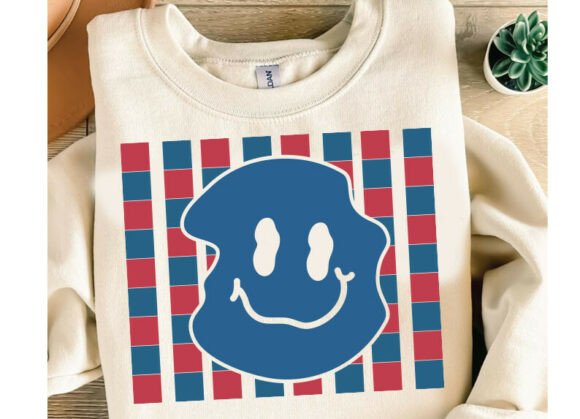
When you first load the Distressed Smiley Face PNG Retro PNG onto your workspace, the immediate takeaway is texture. Unlike clean, vector-based smileys that can feel sterile or corporate, this design carries a gritty, analog weight. The distressed edges mimic the effect of a screen print that has been washed a hundred times. For an embroiderer, this is crucial because it sets expectations for the final product. It tells the viewer (and the wearer) that this item is casual, fun, and unpretentious.
The visual personality here is key. It works beautifully for custom apparel like hoodies and t-shirts where you want a statement piece that doesn't take itself too seriously. However, it also has a surprising versatility. I found myself imagining this on a soft baby onesie, where the contrast between the rough texture of the graphic and the delicate nature of infant clothing creates a trendy, modern juxtaposition. It fits naturally into the category of T-Shirt Designs but transcends it, acting as a versatile Graphics element for broader embroidery project applications.
Real-World Application: From Screen to Stitch
Let’s talk about the practical side. When I prepared this file for a test run on a heavy cotton canvas tote bag, the results were promising. The Distressed Smiley Face PNG Retro PNG translates well into machine embroidery because its irregular edges break up large solid areas. In embroidery, large solid blocks of color can sometimes lead to puckering or excessive thread tension issues. The distressed nature of this design allows for more varied stitch directions, which can actually improve the stability of the final piece on textured fabrics.
I tested this design across several mediums:
- Tote Bags: The high contrast works exceptionally well on neutral tones like beige, olive, or black canvas. It adds instant character to a basic blank.
- Sweatshirt Embroidery: On fleece or French terry, the design feels cozy and nostalgic. It mimics the look of a vintage band tee.
- Baby Embroidery: When scaled down, the distressed look softens the image, making it less harsh than a crisp, geometric smiley. It feels safer and cuter for personalized gift items.
- Embroidered Patches: Because the edges are already irregular, adding a satin stitch border around the design helps contain the fray-like effect, creating a professional-looking patch for denim jackets or caps.
This versatility makes it a strong candidate for an Etsy seller or small shop product line. You can use one master design file and apply it to dozens of different products—from kitchen towel prints to nursery decor—while maintaining a consistent brand voice.
Where Caution Is Required
No design is perfect for every scenario. While the Distressed Smiley Face PNG Retro PNG is robust, there are specific situations where it might struggle. If you are working with thin fabric or highly stretchy fabric like spandex blends, the intricate details of the distressing might get lost or cause the fabric to distort if the stitch density is too high. Always check the underlying structure of the file.
Furthermore, avoid placing this design on curved surfaces like the front panel of a structured cap unless you are using a specialized hat hoop and have tested the curvature compensation. The irregular edges can look disjointed if they do not follow the curve of the hat correctly. Similarly, while the distressed look is appealing, be careful with dark fabric backgrounds. If the design relies on negative space to show the "wear," a dark background might make those areas disappear entirely, turning your vibrant smiley into a muddy blob. Light or mid-tone fabrics generally yield the best results.
Also, consider the end-user. If this is a commercial embroidery piece intended for frequent washing, ensure that the stabilizer used is adequate. Distressed designs often imply a softer hand-feel, so over-stabilizing can make the fabric stiff and unnatural.
Designer Notes for Production Success
Before you commit to a full production run, here are my essential tips for working with this asset:
- Test on Scrap Fabric: Never go straight to the final product. Run a test stitch-out on the exact fabric you plan to sell. Check how the thread colors interact with the fabric dye.
- Review Stitch Density: Look closely at the machine embroidery design file. Are there areas where the fill stitch is too dense? If so, you may need to edit the underlay or reduce the stitch count to prevent puckering.
- Check Hoop Size: Ensure the hoop size accommodates the entire design plus any necessary margins. A design that is too large for your standard hoop will require re-hooping, which can misalign the registration.
- Black and White Mockup: Convert the design to grayscale in your editing software. This helps you see if the contrast holds up without relying on color. If the details vanish in gray, they will likely vanish in stitching.
- Stabilizer Selection: Use a proper stabilizer for your fabric type. Cut-away stabilizers are generally safer for long-term durability, especially for handmade product lines that will see heavy use.
- Licensing Confirmation: Before listing this as a digital product or selling finished goods, double-check the license terms. Some files allow commercial use, while others restrict the number of physical items you can sell.
Final Verdict
The Distressed Smiley Face PNG Retro PNG is a strong, mood-driven design asset that brings immediate personality to any project. It is not a generic filler; it is a deliberate stylistic choice that resonates with current trends in retro fashion and handmade authenticity. Whether you are creating a holiday gift, updating your boutique branding, or designing a new line of apparel decorators merchandise, this file offers a reliable foundation.
It excels in projects where character matters more than precision. It invites the viewer to touch the fabric, to imagine the story behind the wear. For the savvy creative entrepreneur or maker, this is more than just a smiley face; it is a tool for building emotional connection with your customers. Just remember to respect the technical limitations of embroidery, test thoroughly, and let the texture do the talking. When executed correctly, the finished product will stand out on any shelf, proving that sometimes, a little bit of imperfection is exactly what perfection needs.