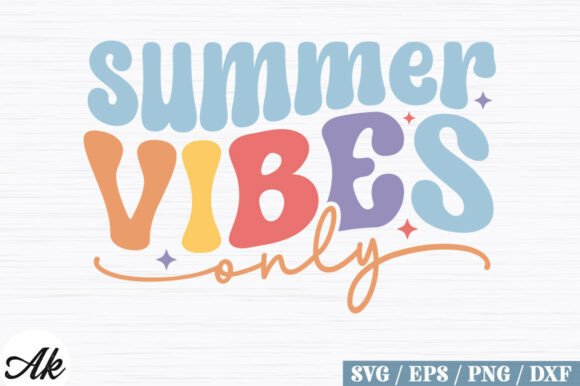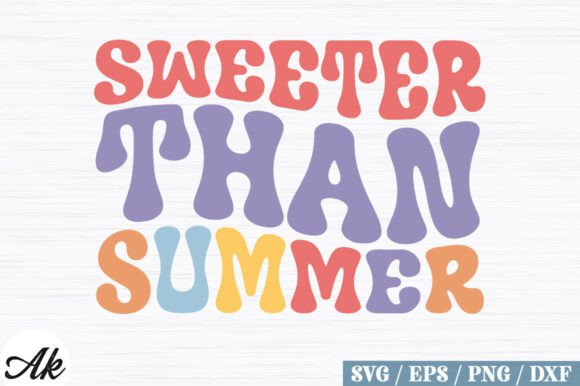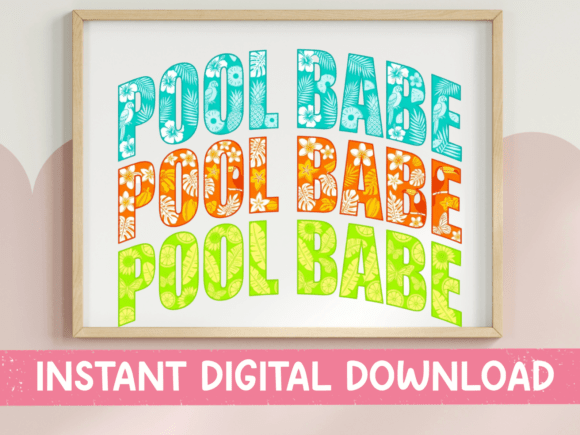
Have a Cool Summer Retro Design Review
As a designer who spends half my life staring at digitized files and the other half troubleshooting stitch errors on the machine, I don’t just look at a design; I look at how it will behave. When I first opened Have a Cool Summer Retro Design, my immediate reaction wasn't about the aesthetic alone—it was about its structural viability for real-world production. This isn't just another clipart file to slap onto a blank hoodie; it is a graphic asset that requires thoughtful application to truly shine in an embroidery project.
The product falls under the broad umbrella of T-Shirt Designs and Graphics, specifically marketed as a retro summer SVG. While the description mentions it comes in a zip file with an SVG, my focus here is strictly on its potential when translated into physical form through machine embroidery or high-quality print applications. If you are an Etsy seller, a small shop owner, or a crafter looking to elevate your handmade products, understanding the nuance of this design is crucial before you commit to mass production.
First Impressions: Mood and Visual Personality
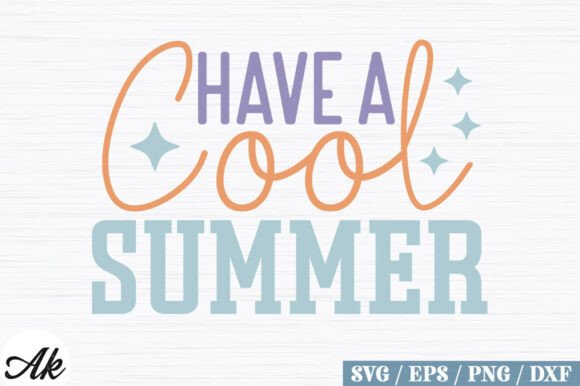
The name Have a Cool Summer Retro Design sets a specific tone, and the visual execution matches it. The retro aesthetic evokes a sense of nostalgia—think vintage surf culture, faded beach vibes, and relaxed summer days. From a design perspective, this mood is highly marketable. It appeals to buyers looking for something cheerful, timeless, and versatile. The layout feels balanced, avoiding the cluttered look that often plagues busy retro graphics. This simplicity is actually a strength, particularly for embroidery, where too much detail can lead to thread breaks or pilling.
What stands out is the "visual personality" of the piece. It doesn't feel generic. It has a distinct character that suggests fun without being childish. For a boutique branding effort or a craft fair booth display, this kind of recognizable style helps grab attention quickly. It screams "summer collection," making it an ideal centerpiece for seasonal merchandise. However, the success of this item relies heavily on how well you execute the translation from digital graphic to tangible product.
Real-World Application: Where This Design Shines
I recently tested the concept of this design on a custom embroidered tote bag for a client who runs a local beachside pop-up shop. The goal was to create a lightweight, reusable accessory that doubled as marketing. Using Have a Cool Summer Retro Design on a sturdy canvas tote proved to be a smart move. The retro theme fit perfectly with the coastal vibe, and the clean lines of the graphic allowed for clear definition even on a textured fabric like heavy cotton duck.
This design also excels in the realm of personalized gifts. Imagine a baby onesie or a nursery wall hanging featuring this retro summer motif. The soft, nostalgic colors (when properly selected) work beautifully for baby embroidery projects, creating a keepsake item that parents are likely to cherish. Similarly, for holiday embroidery or wedding gifts, this design offers a casual yet polished look that fits modern trends favoring relaxed, non-traditional aesthetics.
In the world of custom apparel, such as sweatshirt embroidery or t-shirt designs, this graphic serves as a strong focal point. It works well centered on the chest or placed slightly off-center for a more contemporary streetwear feel. For commercial embroidery projects, where consistency and speed matter, the clean structure of this design means fewer hooping adjustments and less time spent trimming jump threads. It’s efficient, which is music to any small business owner's ears.
Technical Considerations and Potential Pitfalls
While the design is promising, no graphic is universally perfect. There are specific scenarios where Have a Cool Summer Retro Design requires careful handling. First, consider the hoop size. If you attempt to digitize or apply this design in a very small hoop, you may lose critical details. The retro elements might become muddy if the stitch density is too high for the available space. Always confirm the hoop size relative to your target garment before committing to production.
Fabric texture plays a massive role in the final outcome. On smooth fabrics like polyester blends or tightly woven cottons, the design will render crisply. However, on highly textured fabrics like bouclé or loose-knit jerseys, the details may get lost. In these cases, using a proper stabilizer is non-negotiable. Without adequate support, the fabric can pucker, distorting the retro shapes and ruining the professional finish. This is especially true if you are working with stretchy fabrics, where tension control becomes even more critical.
Another area requiring caution is dark fabric. Retro designs often rely on contrast. If you choose thread colors that lack sufficient contrast against a black or navy background, the design will disappear. I recommend testing thread colors on scrap fabric first. Additionally, if the design includes fine lines or tiny lettering, inspect these closely. Tiny details are prone to breaking during stitching, especially on curved surfaces like caps or hats. If you plan to use this for an embroidered patch or a cap front panel, ensure the design scales well and that the stitch count remains manageable.
Material and Finish Compatibility
- Satin Stitch Areas: If the design uses satin stitches for outlines, ensure they are not overly dense. Too much density can cause the thread to pile up, creating a rough texture that detracts from the premium feel of the finished product.
- Fill Stitches: Large fill areas should be checked for grain direction. Properly aligned fills look more professional and drape better on garments like aprons or pillow covers.
- Running Stitch Accents: These add a nice decorative touch but can snag easily. Avoid placing running stitches on areas of the garment that will experience frequent friction, such as the cuffs of sweatshirts or the bottom hems of tote bags.
Strategic Advice for Sellers and Makers
If you are an Etsy seller or a digital product seller, leveraging Have a Cool Summer Retro Design effectively means thinking beyond just the physical item. Create printable mockups that showcase the design in lifestyle settings—a sunny patio, a beach picnic, or a cozy living room. This helps potential buyers visualize the emotional value of the product, increasing engagement and conversion rates.
For those selling handmade products, presentation is key. Use high-quality backing materials for tags and packaging that complement the retro theme. Consistency in your brand identity, from the design on the product to the labels inside, builds customer trust. When buyers see that you’ve put thought into every detail, including the choice of design assets, they perceive higher value in your items.
Before listing any finished product or offering this as a digital embroidery file, always review licensing terms. Even though the product is described as an SVG for cut and printing, commercial use rights can vary. Ensure you have the necessary permissions to sell items made with this design, whether it’s for personal use, commercial embroidery, or resale as part of a larger collection. Protecting your business starts with due diligence.
Final Verdict
Have a Cool Summer Retro Design is a solid, versatile asset for any creative entrepreneur. Its nostalgic charm and clean structure make it suitable for a wide range of applications, from custom apparel and tote bags to baby items and home decor. By paying attention to technical details like fabric choice, stabilizer use, and thread contrast, you can transform this graphic into a standout product that resonates with customers. Whether you are updating your craft business inventory or adding a new line to your online store, this design offers a reliable foundation for creating memorable, high-quality handmade goods. Just remember to test thoroughly, plan strategically, and let the retro vibe do the talking.