Home Sweet Haunted Home Retro Design Review
As a designer who spends more time staring at stitch charts and fabric swatches than most people spend sleeping, I don’t just look at a design file; I look at how it behaves under the needle. When I first pulled up Home Sweet Haunted Home Retro Design, my immediate reaction wasn’t about the theme—it was about the potential for a cohesive brand story. Halloween is often treated as a seasonal afterthought in many craft businesses, but with the right aesthetic, it becomes a high-margin opportunity. This retro-style graphic doesn’t just scream "spooky"; it whispers "vintage charm," which is exactly where the money is right now.
The First Impression: Mood and Visual Personality
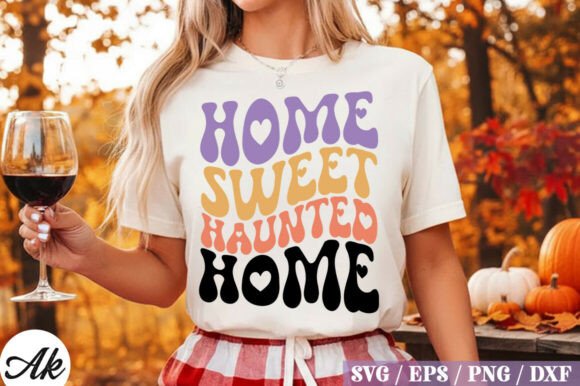
The term "retro" can be vague, but in this context, it signals a specific nostalgia that resonates deeply with today’s buyer. The visual personality of Home Sweet Haunted Home Retro Design feels warm rather than terrifying. It avoids the jagged, overly aggressive fonts and gore-heavy imagery that saturate the market. Instead, it leans into a playful, mid-century modern vibe that fits perfectly on soft fabrics and home goods. For an embroidery project, this is crucial because the mood dictates the thread choice. You aren’t forced to use only black and orange; this design invites muted purples, dusty pinks, or classic cream threads to enhance that vintage feel.
The layout is balanced, which suggests it will hold its shape well when digitized or cut. It has a clear focal point without being cluttered. This clarity is what separates a professional-grade asset from amateur clip art. When you place this on a product, it reads instantly. There is no confusion. That instant recognition is vital for Etsy sellers and small shop owners who have less than three seconds to grab a customer’s attention in a crowded feed.
Real-World Application: From Digital File to Finished Product
Let’s talk about practicality. I recently imagined using this design for a custom embroidered tote bag line targeting young homeowners or renters who love quirky decor. The phrase "Home Sweet Haunted Home" is relatable humor. It’s not just decoration; it’s a statement piece. If I were stitching this onto a canvas tote, I would treat it as a primary tote bag design. The retro aesthetic pairs beautifully with natural jute or heavy cotton blends.
However, the versatility here is the real selling point. This isn’t limited to bags. Think about a sweatshirt embroidery project for autumn. A cropped hoodie with this design centered on the chest or placed slightly off-center on the back creates a streetwear vibe that appeals to teens and adults alike. It also works exceptionally well as a small detail on a cap or hat brim, serving as a subtle nod to the season without overwhelming the garment.
For those selling digital assets, this design translates well into printable mockups. Imagine listing a set of holiday-themed kitchen towels. The contrast of a retro graphic on a checkered tea towel is visually striking. It elevates a basic commodity into a curated gift item. Whether you are creating a personalized gift for a client or stocking shelves for a craft fair, the adaptability of this graphic means you can test multiple price points and product types without needing entirely new artwork.
Where Caution Is Required
No design is perfect for every surface, and honest review demands we discuss limitations. While Home Sweet Haunted Home Retro Design is robust, you must consider the substrate. If you are attempting this on a highly textured fabric like a rough burlap or a thick sherpa fleece, fine details might get lost. The eye needs a relatively smooth plane to appreciate the nuance of the retro lines.
Similarly, avoid placing intricate parts of this design on stretchy fabrics without proper stabilization. Stretchy knits can distort the geometry of the text, making the "retro" curve look unintentionally warped. If you are working on curved surfaces like the front panel of a baseball cap, ensure your hoop size accommodates the curvature without pulling the fabric too tight. Dense stitch areas can become stiff and uncomfortable if not managed correctly, so always test the hand-feel of the finished area. It should remain soft enough to wear against the skin, especially if this ends up on baby clothes or intimate apparel.
Technical Considerations for the Embroidery Designer
Before you commit this to production, there are several technical checks every machine embroidery design specialist should perform. First, inspect the small details. In raster images or poorly vectorized files, thin lines can disappear during the cutting or stitching process. Ensure that any lettering or decorative accents are thick enough to be reproduced clearly.
Thread color contrast is another critical factor. A light gray text on a white background will vanish. Use the design in a black-and-white mockup to verify legibility. If you are using this as an applique design, ensure the base fabric contrasts sufficiently with the appliqué material. If you are relying on stitch density for definition, check that the underlying stabilizer provides enough support to prevent puckering. Puckering kills the premium feel of a handmade product, and customers will notice immediately.
Furthermore, confirm the licensing terms. As a commercial embroidery user, you need to know if you can sell unlimited finished items. Some graphics restrict the number of sales or require a separate commercial license. Always read the fine print to protect your business. If the file includes both SVG and embroidery formats, remember that the SVG is likely intended for cutting machines (like Cricut or Silhouette) for vinyl or heat transfer, while the embroidery file is for stitching. Using the wrong file type for the wrong machine will result in wasted material and frustrated clients.
Final Verdict: Value and Professional Appeal
In the world of craft business and digital product sellers, aesthetics drive sales. Home Sweet Haunted Home Retro Design offers a polished, trendy look that feels intentional and high-quality. It helps build brand consistency by providing a recognizable style that can be expanded upon with other retro-themed elements. It enhances buyer engagement because it sparks conversation—people buy things that make them smile or say something about their personality.
For the hobbyist, it’s a fun weekend project. For the Etsy seller, it’s a reliable bestseller candidate. The key to success lies in execution. Test your samples thoroughly. Wash them. Wear them. Hang them. Only when you are satisfied with the durability and appearance should you list the final product. By treating Home Sweet Haunted Home Retro Design with the respect it deserves—through careful fabric selection, proper stabilization, and thoughtful presentation—you transform a simple graphic into a profitable, beloved handmade product.