My First Halloween Retro Design Review
As a designer who spends half my life troubleshooting stitch errors and the other half trying to make handmade goods look professional enough to sell, I don’t just look at a design file—I look at how it will behave under the needle. When My First Halloween Retro Design landed on my desk, I didn’t see just another spooky graphic. I saw a potential bestseller for the upcoming season, but only if it holds up in real-world application. This review breaks down exactly how this retro-themed asset performs when moved from a screen to fabric, focusing on practical utility for embroidery designers, small business owners, and crafters.
The First Impression: Mood and Visual Personality
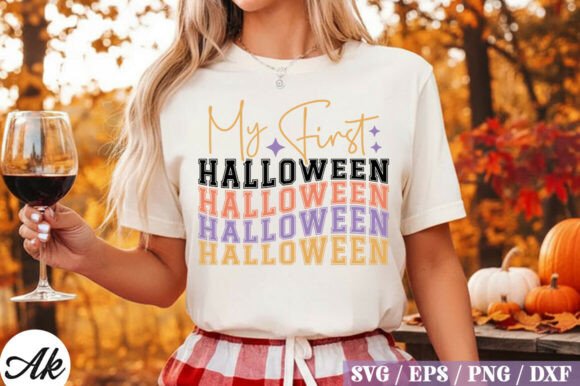
Retro Halloween aesthetics have been dominating the handmade market for good reason. They evoke nostalgia without being overly scary, making them perfect for a wide demographic. My First Halloween Retro Design captures that sweet spot immediately. The visual personality is playful yet polished, leaning into vintage typography styles and classic iconography that feels timeless rather than trendy. For an embroidery project, this is crucial. Trends fade; retro charm endures.
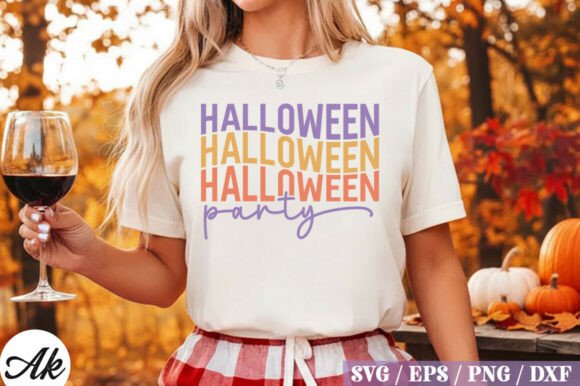
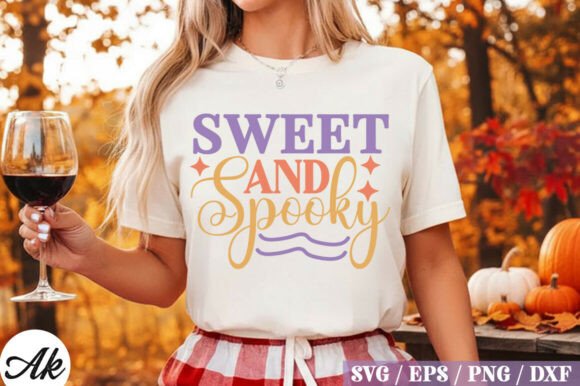
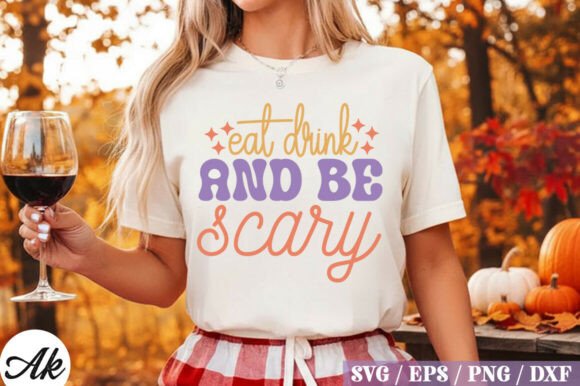
From a layout perspective, the design balances negative space with detailed elements effectively. It doesn’t feel cluttered, which is often the downfall of digital graphics converted into physical products. The shape suggests versatility—it can anchor a large statement piece or serve as a charming accent on smaller items. When you view it as a t-shirt design within the broader category of graphics, it stands out because it respects the medium. It isn’t trying to be a photograph; it’s designed to be stitched, printed, or cut, giving it a distinct advantage in production efficiency.
Real-World Application: Where This Design Shines
I put this design through its paces by imagining specific client requests and personal gift ideas. Here is where My First Halloween Retro Design truly excels:
- Custom Apparel: On a heavyweight cotton sweatshirt, this design pops. The retro vibe pairs perfectly with vintage-wash fabrics. Whether used as a chest pocket placement or a full-front print, it adds character without overwhelming the garment. It works equally well on t-shirts for those looking for a lighter option.
- Baby and Nursery Items: Halloween is one of the few holidays parents are comfortable dressing infants in, provided it isn’t too intense. This design’s friendly aesthetic makes it ideal for baby onesies, burp cloths, or nursery wall hangings. It transforms a standard baby embroidery item into a memorable keepsake.
- Home Decor and Textiles: I envision this on a quilted pillow cover or a kitchen tea towel. The bold lines translate well to home goods, adding a seasonal touch that guests will notice. It bridges the gap between functional household items and festive decor.
- Accessories and Gifts: A tote bag design featuring this art becomes an instant conversation starter. It also works beautifully on aprons for baking enthusiasts or as a decorative element on reusable shopping bags. For holiday gifts, personalized mugs or key holders using this graphic offer a high perceived value for a low production cost.
For an Etsy seller or small shop product creator, this versatility is gold. You can create a cohesive collection—matching shirts, bags, and home goods—using a single strong design asset.
Technical Considerations for Embroidery Designers
If you are planning to use this as a machine embroidery design or an applique design, there are technical nuances to consider. While the source is described as an SVG suitable for cutting and printing, many creators digitize these vectors for embroidery. If you are converting or using a pre-digitized version, pay close attention to the following:
- Stitch Density and Detail: Retro designs often rely on clean lines. Ensure that any fine details in the vector are simplified during digitization to prevent thread breakage. Dense stitch areas should be balanced with adequate pull compensation, especially if working with stretchy fabrics like jersey knits for custom apparel.
- Hoop Size Constraints: Always confirm the hoop size required before finalizing your pattern. If the design is large, ensure your stabilizer choice matches the fabric weight. For delicate fabrics, a tear-away stabilizer might be necessary, whereas heavy cottons can handle cut-away support.
- Thread Color Contrast: The visual impact of this design depends heavily on thread selection. Test your thread colors against both light and dark fabric backgrounds. A pastel thread palette might enhance the retro feel on black fabric, while bright primary colors could work better on white or cream textiles.
It is vital to test the design on scrap fabric first. Check for stitch density issues and inspect small details closely. If you are creating an embroidered patch, verify that the edges are clean and that the backing material adheres properly without puckering.
Where to Use Caution
No design is universally perfect. There are scenarios where My First Halloween Retro Design might struggle:
- Small Hoop Sizes: If you attempt to stitch this in a very small hoop (under 4x4 inches), intricate details may become muddy. Simplify the design or increase the spacing between elements for tiny applications.
- Textured or Stretchy Fabrics: On highly textured materials like bouclé or very stretchy synthetics, maintaining crisp lines can be challenging. Use a proper stabilizer and consider hooping the stabilizer alone to provide a firm base.
- Curved Surfaces: Applying this to caps or hats requires careful mapping. Distortion can occur if the design isn’t adjusted for the curve. Plan your stitching path to minimize distortion.
Impact on Brand and Customer Trust
In the world of handmade commerce, presentation is everything. A well-executed design builds customer trust and reinforces brand consistency. Using My First Halloween Retro Design allows you to create a professional-looking finished product that rivals mass-produced items. When customers receive a personalized gift or a boutique-quality item, they are more likely to leave positive reviews and return for future purchases.
Furthermore, this design enhances giftability. Its nostalgic appeal resonates with multiple age groups, making it a safe yet thoughtful choice for friends, family, and clients. For commercial embroidery projects, such as corporate holiday gifts or event merchandise, the design strikes a balance between fun and professionalism.
Final Verdict for Makers and Sellers
My First Halloween Retro Design is a versatile, high-potential asset for any creative entrepreneur. It fits seamlessly into the craft business landscape, offering endless possibilities for design assets ranging from printable mockups to tangible handmade products. Whether you are an experienced embroiderer looking to expand your catalog or a hobbyist wanting to create unique personalized gifts, this design delivers on style and usability.
Remember to check the specific licensing terms before selling finished items or digital products. Confirm whether the zip file includes all necessary formats for your workflow. By testing thoroughly and choosing the right materials, you can transform this simple graphic into a standout piece that celebrates the season in style. For anyone looking to add a touch of retro flair to their embroidery project portfolio, this is a smart, stylish addition.