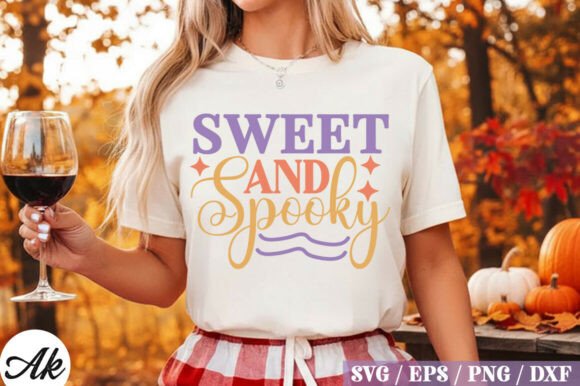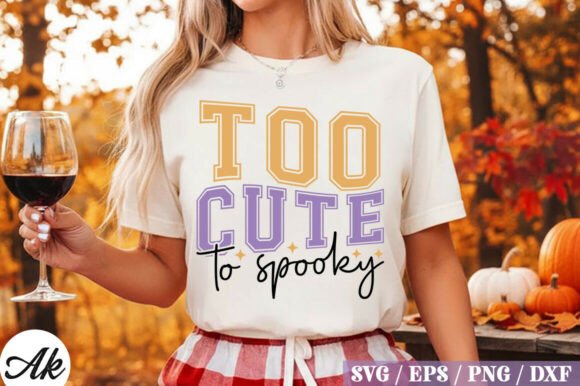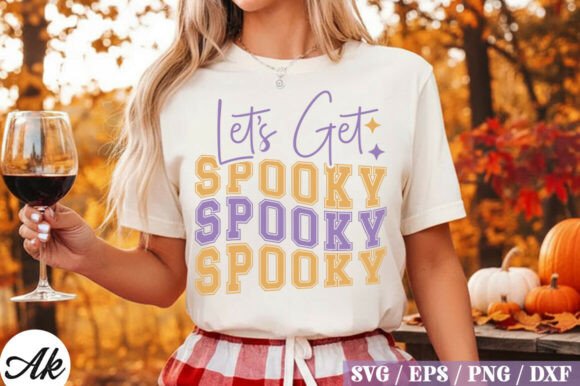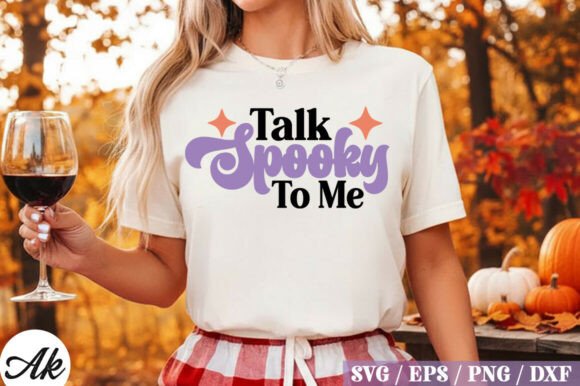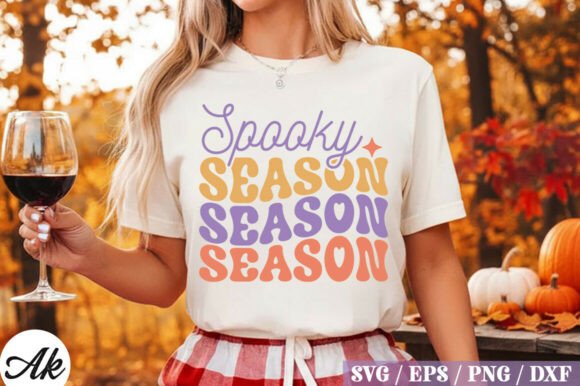
Spooky Season Retro Design Review
As a designer who spends more time than I care to admit staring at stitch density charts and debating thread color palettes, I approach every new machine embroidery design with a healthy dose of skepticism. The market is flooded with generic clip art that looks like clip art when stitched, losing its charm under the needle. That is why I decided to put the Spooky Season Retro Design through its paces. I wasn’t just looking for a cute graphic; I was looking for a viable asset for my small business inventory and custom client work. After testing this file in various real-world scenarios, here is my honest breakdown of how it performs as an embroidery project.
First Impressions: Mood and Visual Personality
The moment you open the zip file containing this digital embroidery file, the retro Halloween theme hits you immediately. It doesn’t scream "horror"; it whispers "nostalgia." The aesthetic leans heavily into vintage typography and simplified shapes, which is a smart move for embroidery. Complex details often get lost or turn into a muddy mess of thread when digitized, but this design relies on strong silhouettes and clear negative space. This makes it incredibly versatile for both custom apparel and smaller accessories.
Visually, the design feels balanced. It has a playful energy that works well for holiday events, craft fairs, and seasonal home decor. For me, the immediate appeal is its adaptability. It isn’t tied to one specific object. It feels equally at home on a chunky knit sweatshirt as it does on a crisp cotton tote bag. This flexibility is rare in modern T-Shirt Designs where many artists create graphics that only look good on flat print surfaces. The Graphics included here have been thoughtfully structured to translate well into thread.
Real-World Application: From Tote Bags to Baby Items
To truly judge an embroidery file, you have to see it on fabric. I took the Spooky Season Retro Design and mocked up three distinct product lines to see how it would hold up in production.
- The Custom Tote Bag: This was my first test. I used a heavy-duty canvas tote and placed the design centrally. The retro vibe paired perfectly with the rugged texture of the canvas. Because the design uses solid blocks rather than intricate shading, it popped against the natural beige background. It felt like a boutique item you’d find in a high-end gift shop, not a mass-produced souvenir.
- Sweatshirt Embroidery: Next, I moved to a heather grey crewneck sweatshirt. This is a staple for small shop product sellers during Q4. The design’s bold lines cut through the fabric nap effectively. However, I noticed that on thicker fabrics, the stitch density needed to be slightly adjusted to prevent puckering. When done correctly, it creates a professional, textured finish that adds significant perceived value to the garment.
- Baby Embryoidery: Perhaps the most surprising success was using this design on a tiny muslin burp cloth. The retro style is soft enough to be appropriate for nursery decor or baby shower gifts. It avoids the overly scary tropes of traditional Halloween, making it a safe choice for parents who want a festive touch without the fright. This opens up a whole new market for personalized gift items that are often overlooked by designers focusing solely on adult fashion.
Where to Use It Carefully
No design is perfect for every surface. While the Spooky Season Retro Design is robust, there are specific contexts where you need to exercise caution. As an experienced reviewer, I want to save you from potential headaches down the line.
First, avoid placing this on highly textured fabrics like heavy waffle knits or loose-weave burlap unless you are using a heavy stabilizer. The thread can catch on the fibers, leading to a messy finish. Similarly, if you plan to use this on stretchy materials like spandex blends, you must ensure your hoop size is large enough to maintain tension, or the design will distort.
I also recommend steering clear of very small hoop sizes for this specific layout. While the core elements are simple, the overall bounding box of the design requires enough room for clean edge runs. If you try to shrink it down too much for a key holder or a small patch, the individual components may merge together, losing their retro character. In these cases, a dedicated embroidered patch version might be necessary.
Another consideration is dark fabric. While the design includes light threads, contrast is king in embroidery. On black or navy backgrounds, some of the finer details might disappear into the shadows. I always advise testing on a scrap piece of your actual final fabric to check thread colors before committing to a full production run.
Impact on Brand and Customer Trust
For Etsy seller accounts and craft business owners, presentation is everything. A well-executed embroidery design signals professionalism. When a customer receives a finished product with clean stitches, no loose ends, and a design that aligns perfectly with the fabric’s texture, their trust in your brand increases. The Spooky Season Retro Design contributes to this positive perception because it is inherently legible. Even customers who aren’t familiar with embroidery techniques can appreciate the clarity of the image.
This clarity also boosts buyer engagement. In a sea of generic holiday items, a design that feels curated and intentional stands out. By using a design that translates well from screen to stitch, you demonstrate that you care about quality. This is crucial for commercial embroidery projects where repeat customers are the lifeblood of your income.
Practical Designer Notes for Success
Before you load this file into your machine, keep these practical tips in mind to ensure the best outcome:
- Test on Scrap Fabric: Never assume a design will work on your target material without a trial run. Check for thread breaks, tension issues, and how the fill stitch interacts with the weave.
- Review Stitch Density: Look closely at the digitization. Are there areas where the satin stitch might crowd out adjacent elements? Adjusting the density slightly can make a huge difference in durability.
- Check Licensing: Ensure you understand the terms for design assets. Some files are for personal use only, while others allow commercial sales of finished goods. Always confirm this before listing on platforms like Etsy.
- Use Proper Stabilizer: The right stabilizer is invisible in the final product but vital during stitching. For lightweight fabrics, use a tear-away; for knits, a cut-away is usually safer to prevent distortion over time.
- Black and White Mockups: Convert your digital preview to grayscale. This helps you see if the contrast levels are sufficient before you waste expensive thread on a failed attempt.
In conclusion, the Spooky Season Retro Design is a strong addition to any designer’s library. It balances aesthetic appeal with technical feasibility, making it suitable for a wide range of handmade products. Whether you are creating holiday embroidery collections or expanding your apparel decorator services, this design offers a reliable, stylish option that customers will love. Just remember to respect the fabric and do your pre-flight checks, and you’ll be set for a successful season.