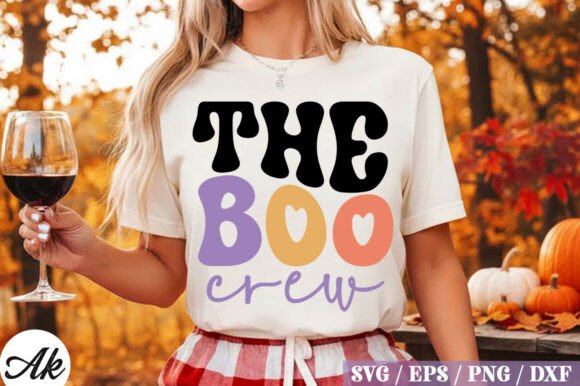
The Boo Crew Retro Design Review
When I sit down to evaluate a new digital asset for my studio, I am rarely looking at it as just a graphic file. I am looking at it as a potential finished product. As an experienced designer who frequently transitions between screen-based graphics and physical embroidery, I know that the gap between a clean SVG on a monitor and a stitched reality can be vast. This is why I approach The Boo Crew Retro Design with a critical eye, focusing on how it will translate from a vector file into thread, fabric, and ultimately, customer satisfaction.
This retro Halloween SVG design immediately catches the eye with its nostalgic charm. The mood is playful yet polished, avoiding the overly spooky or chaotic aesthetics that often plague holiday-themed assets. Instead, it leans into a curated, boutique-style vibe that feels timeless rather than trendy. For those of us in the craft business, this distinction is crucial. A design that feels "trendy" might sell well for three weeks and then fade; a design with strong retro personality has staying power. The layout is balanced, suggesting that the artist understands negative space and visual weight—two elements that are vital when preparing a machine embroidery design for production.
Visual Personality and First Impressions
The first thing I notice about The Boo Crew Retro Design is its cohesive theme. It does not feel like a collection of disparate clip-art pieces pasted together. The shapes flow into one another, creating a unified composition that works beautifully for various applications. Whether you are planning to use this for a custom embroidered tote bag, a cozy sweatshirt, or a set of nursery pillows, the design holds its own. The retro aesthetic gives it a warmth that appeals to a broad demographic, from young parents buying baby gifts to older crafters looking for seasonal decor.
In terms of detail level, the design strikes a smart balance. It offers enough visual interest to justify the cost of a premium handmade product without so much intricate line work that it becomes difficult to stitch cleanly. This is where many designers fail; they create beautiful screens but forget about the limitations of thread. Here, the bold lines and clear shapes suggest that the final product will have excellent definition. When I look at a design like this, I imagine it on a cream-colored canvas tote or a heather grey apron, where the contrast allows the colors to pop without overwhelming the viewer.
Real-World Application: From Screen to Stitch
To truly understand the value of a design, we must test it against real-world scenarios. Let’s imagine I am preparing a batch of holiday gifts for local boutiques. I choose The Boo Crew Retro Design for a series of personalized kitchen towels and matching oven mitts. Because the design is versatile, it fits perfectly within standard hoop sizes, allowing me to maximize my fabric usage and minimize waste—a key factor in maintaining healthy margins for small shop owners.
For apparel decorators and Etsy sellers, this design is particularly valuable for custom apparel. Imagine offering a limited-edition line of crewneck sweatshirts featuring this motif. The retro vibe pairs exceptionally well with heavier fabrics like fleece or cotton blends. The design’s clean lines ensure that even after multiple washes, the embroidery remains crisp. Customers trust brands that deliver consistent quality, and a well-executed stitch job on a beloved garment builds that trust. Furthermore, because the design is thematic but not overly specific, it serves as a great personalized gift option. You can add names or dates without cluttering the composition, enhancing the product’s perceived value.
I also see strong potential in the home decor market. Using this as an embroidered patch style applique on throw pillows or blanket edges adds a tactile element that printed designs simply cannot match. The texture of the thread brings the retro characters to life, making the item feel luxurious and handcrafted. For those selling digital product previews, mockups featuring this design on textured backgrounds will likely perform well, as the contrast between the smooth digital file and the simulated fabric texture highlights the quality of the end result.
Where Caution Is Required
While The Boo Crew Retro Design is robust, no design is universally perfect. There are specific situations where careful consideration is needed. If you are working with very small hoop sizes, such as 4x4 inches, you must scrutinize the smallest details. While the main shapes are bold, any tiny accent lines or fine text may become muddy if the stitch density is too high or the fabric is unstable. Always inspect these small details closely before committing to a full production run.
Fabric choice is equally critical. On highly textured fabrics, such as heavy tweeds or loosely woven linens, the stabilizer plays a massive role. Without proper support, the stitch density of the design could cause puckering, ruining the professional appearance of the finished product. Similarly, stretchy fabrics require a sturdy cut-away stabilizer to prevent distortion during the stitching process. Dark fabrics demand careful selection of thread colors; if the design relies on subtle tonal variations, they may get lost against a black background. In such cases, testing on scrap fabric is non-negotiable.
Another area to watch is curved surfaces like caps or hats. While the design itself is flat, transferring it to a curved surface requires precise hooping techniques. If the tension is off, the retro curves of the design may appear warped. Additionally, if you plan to use this for frequent washing items like dish towels, ensure that the threads used are colorfast and durable. High-quality thread investment pays off in reduced returns and better reviews.
Practical Designer Notes for Implementation
Before integrating The Boo Crew Retro Design into your commercial workflow, follow these practical steps to ensure success:
- Test on Scrap Fabric: Never assume a design will stitch out perfectly on your final material. Run a test on the exact fabric type you plan to use. This reveals issues with thread colors, tension, and stability early.
- Check Stitch Density: Review the machine embroidery design settings. If the fill stitch areas are too dense, the fabric may become stiff and uncomfortable. Adjustments to underlay or stitch count might be necessary for optimal drape.
- Verify Hoop Size: Confirm that the design dimensions fit comfortably within your machine’s maximum hoop size. If the design is large, you may need to split it or use a larger frame, which impacts your workflow efficiency.
- Inspect Small Details: Zoom in on the vector file. Are there any tiny elements that might not render well in thread? If so, consider simplifying them or using a different technique, such as an applique design approach, to achieve the look.
- Mockup in Black and White: Convert the design to grayscale to check contrast. This helps identify areas where details might blend together, ensuring clarity regardless of the color palette chosen.
- Confirm Licensing: Before selling handmade products or distributing the digital embroidery file, review the license agreement. Ensure you have the right to use the design commercially, especially if you are an Etsy seller or running a craft business.
Ultimately, The Boo Crew Retro Design is a strong contender for anyone looking to add a touch of vintage charm to their offerings. Its versatility across categories—from tote bag design projects to sweatshirt embroidery makes it a valuable asset in your design assets library. By approaching it with the caution and attention to detail outlined above, you can transform this simple SVG into a high-quality, profitable embroidery project that resonates with customers and stands the test of time.